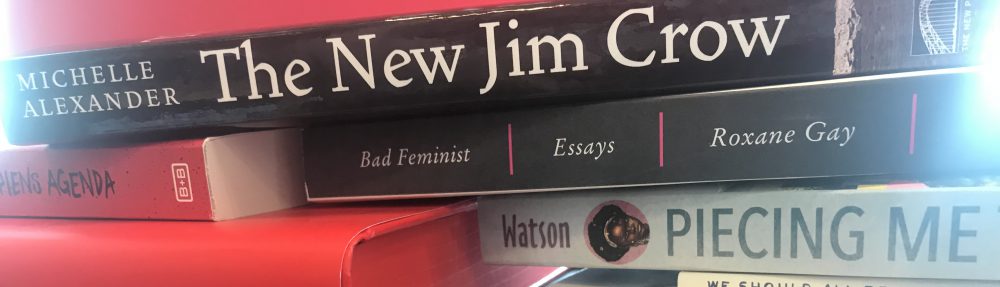

The Diviner’s series is such a well crafted story from beginning to end. Libba Bray has said in interviews that she wanted to write a ghost story and it kinda is. Our heroes have to literally fight the ghosts of our nation’s past and the ghosts of their own lives too. While I don’t think it was intended it is also a cautionary tale as well. It takes place in 1927 but so many of the issues that 1920’s America was facing we are still facing now. You all know the quote, History repeats itself? Well, Evie, Sam, Theta, Henry, Ling, Memphis, Isiah and Jericho are faced with racism, sexism, white supremacy, fascism and rapidly improvements in technology. I’ve mentioned this in past reviews of this series that so many of the scenes could take place today and not look out of place. We really haven’t learned from our mistakes or really ever really truly faced the truth of our past. The King of Crow was created by the greed, sorrow and misdeeds of our past. He feeds of the fear and ignorance and uses that to bargain with people for their souls and this has made him powerful. After the events of last book, our heroes have to go on the run. They are being blamed for the death of Sarah Snow, a popular radio star and they are easy targets because they are a group of young people who are black, Jewish, mixed race, gay, disabled and have powers that people do not understand. Once again playing on fear and ignorance they public quickly turns on them. Now the first half of the book have shades of the never-ending-camping trip from Harry Potter. The group has been split up and all of over the country. While it was necessary in some ways for characters to have a chance to grow and the piece together what was going on, it did drag down the narrative. Once they were all united the narrative really took off and become more compelling. They meet up with a new diviner named Sarah Beth. Sarah Beth is totally creepy but she knows how to defeat the King of Crows so our group of diviners seek her out. A lot of things happen and yes it is tragic but in the end they were able to defeat the ghosts of their pasts to defeat the ghosts of our past as well. I don’t want to say too much more because I don’t want to spoil it for you. I highly recommend this series and so relevant to today that you should read it and then discuss our past. We are a great nation but we have also done some terrible things and they will forever haunt us until we actually deal with it otherwise history will continue to repeat itself.
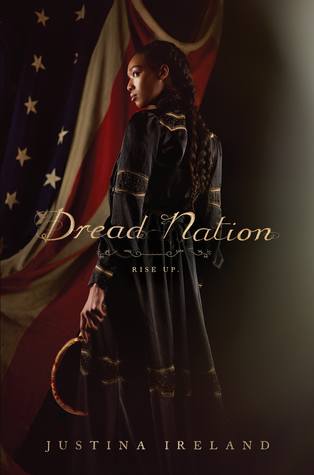
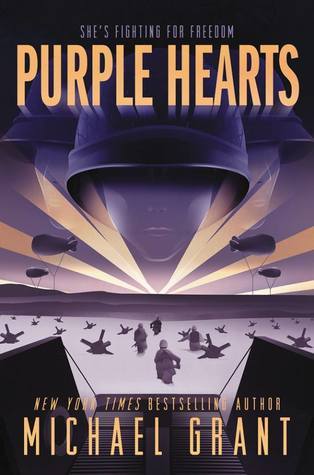 The final book in the Front Lines trilogy was fitting ending for all three of our heroines. The alternate history re-imagined World War Two if women had been allowed to serve and be drafted into the Military. Rio, Frangie and Rainey all enlisted as the US was on the brink of joining the war. Throughout the trilogy we have followed Frangie, Rio and Rainey through basic training, northern Africa and Italy all while trying to figure out who they are how they fit in in this new world. Does being a soldier make them any less feminine? And what future do they have to look forward to after the war is over. At the end of the last book, they were all awarded Silver Stars for their bravery in Italy. If they thought winning a Silver Star would make their lives as soldiers, they were mistaken. In some cases it only made their mostly male soldiers resent them even more. Rio’s hometown sweetheart, struggles to deal with the fact he had to be rescued by his girl and she gets rewarded for it. The gender roles have been reversed and he can’t deal with it. Our Soldier Girls are preparing for the D-Day invasion to open the final book. With it comes all the blood and carnage that we come to expect from years of seeing this battle depicted on the big screen. As the girls progress from Normandy to Paris to Battle of the Bulge in Belgium to finally Germany. They are faced with hardships and hard decisions as they continue to face the cruel reality of war. They are fighting a war against the Nazis about also about the sexism and racism in the Military. It truly speaks to what women face today. I have to wonder what our country would be like if women had been able to serve in World War Two. How would our world be different and how much would it be the same? It sort of get the sense that Michael Grant doesn’t seem to think that history would have changed all that much but also could be my own cynicism. Anyway, it was a good series full of great characters and an interesting ideas. I’m glad I read it but I can’t help but wonder what if there were stories of real soldier girls that could be told.
 To say this book was delightful would be an understatement. Cynthia Hand, Brodi Ashton and Jodi Meadows blends the perfect mixture of fantasy and fiction with history. History will tell you that Lady Jane Grey was the Queen of England for nine days before Queen Mary took the throne and beheaded her. Well, not in this book. Lady Jane Grey was the cousin to King Edward, the son of King Henry VIII. She was named the successor to King Edward because Mary was too Catholic and Elizabeth was a wild card. Edward’s advisors were afraid that either one of his sisters would take England back to the Catholic church and away for the recently established Church in England. Well, in this account the fight is over religion but over magic. King Henry was an Edians, or a person who can turn into animals. Before his rule, those who had this ability were hunted down and burned at the stack by the Verities or those who couldn’t change into animals. Mary is very much in the Verities, who blamed Edians for the death of her mother. Jane at first just a pawn in game of thrones but she soon turns the tables on those who try to control her. This book is very funny, charming and just plain clever. I often find myself laughing while riding on the train to the annoyance of my fellow riders. And it’s a real hoot when you find out what animal Jane turns into. You will not find a more clever book with horse puns anywhere. So do yourself a favor and go read it.
 In the second book of Michael Grant’s Soldier Girls series, Rio, Frangie and Rainey have survived their first battle in Africa but the war isn’t over as the focus now turns to Italy. Each of them have to deal with the reality of what they have done and what they will be asked to do in the future. They all have been asked to do things that they never thought they would have to do even though they knew they would be going into war. It’s interesting how each of the our three heroines deal with their emotions but also how the adversity makes each of them stronger. The narrator is still unknown though there are some pretty strong hints a to who it.
 I think this is really more a political drama then anything else. Kiersten White re-imagines the origins of Vlad the Impaler as if he had been born a Lada, a girl, rather then a boy. Lada is fierce, passionate and ruthless. She is far more interested in fighting and ruling then she is anything else. From a young age, she knows that she will never be taken seriously as a girl unless she is the smarter, faster and stronger then those around here and does everything she can to make it that way. When she and her brother are left as hostages to the Ottoman Empire as a way to secure their father’s throne of Wallachia, she becomes enraged of her lack of power. Felt betrayed by her father for leaving her there, where any misstep by him, forfeits their lives. She uses her time to learn all that she can from her Ottoman captors to use in her vengeance one day. Things go a little sideways when Lada and Radu meet Mehmed, the son of the Sultan. He becomes their friend and third point to their triangle. Radu is the polar opposite to Lada. While she is strong and aggressive, he’s quiet and conservative. He has the charisma that Lada lacks. Lada has the strength that Radu lacks. They are not the closets of siblings but they are all each other has so when push comes to shove, they are there for each other.
 So how would World War Two be different if women could have been drafted or enlist in the military? From what I can tell, not that much? Obviously I don’t know what it was like from personal experience but basing on other books and movies I have read, the experiences of Rio, Frangie, Jenou and Rainey didn’t seem all that different. To say, war is awful. Though maybe it was a little harder for the ladies, as they had to endure sexiest comments about how woman do not belong in the military. Even worse for Frangie, who had deal with the racist along with the sexist. I would think what our heroines deal with was pretty much the same things as women in the military still face. I’m thinking about the all the comments and criticism I read about the first women to train to be Army Rangers, recently. “Women can’t handle the pressure.” ” They are not physically strong enough”.”How will they handle combat?” “The Military is just not the place for women.” Front Lines may be a work of fiction that takes place 70 years ago but it could easily be written about today. I studied history in school and it’s what my B.A. is in. The one thing that I always found fascinating about history is that you can study something in the past and can make direct correlation with what is going on in today’s world. Basically, Human Being’s don’t learn from the mistakes. We do the same things over and over again. Just look at our election and how we are fighting over issues of Civil Rights.
 2 Women, So Many Books