
Very occasionally, the interests of my work life and this blog align. This past year, it feels like that has happened more than any other time in career. I’ve been teaching some new-to-me courses in a different department than my home department, teaching some required general education Humanities courses. This has been delightful. I’ve gotten to interact with many students I would have never had the chance to interact with. And I’ve gotten to read (re-read) some classics, some foundational texts, and some big-named thinkers. The Humanities are important because we are important, to ourselves and to each other. These courses I have been teaching allow students to practice important skills around critical thinking and effective communication, but they also give them space to really consider big concepts that loom in the background of our days and define them for themselves. It seems silly to ask, in part because it is so ubiquitous, but what actually is ‘modernity’? Or, ‘progress’? How about ‘what does it mean to be American?’ But the answers to these questions can have very real world consequences. Definitions of modernity can classify useful and important things as out-dated and old-fashioned. For example, do students need writing skills or do they just need to know how to use AI templates? Definitions of progress can have huge impacts on what we require of students, what we expect from companies, what our government’s policy goals are. When we decide what counts as progress, we decide what our priorities are. For example, is generative AI progress? And for the impacts of what it means to be American, you can look at the headlines. The courts are debating who actually falls under birthright citizenship right now.

Two times this Spring, I had the opportunity to revisit classic works in the course of my teaching.The first is Frankenstein by Mary Shelley. I dug this out of the back of my bookshelves from when I was an undergraduate. This classic novel is a seminal work in sci-fi and horror and tells the story of Dr. Frankenstein, a man who never once stops to ask himself if he should, just because he can. I have discovered teaching this book (and from interactions that I’ve had with people on fable), that if your only reference to Frankenstein is pop culture, that you might be expecting this to be centered around the monster. And, it is, except the monster isn’t the creature. Dr. Frankenstein does this massively unethical breakthrough science and then fails, repeatedly, to take responsibility for the consequences of his work. Even though this was first published in 1818, it still feels very relevant to me. A perennial topic for opinion pieces (and for my student’s writing this past year) has been the cultural divide we are seeing and the idea that many of us are living in an echo chamber or are siloed off from ‘the rest of the world’. Dr. Frankenstein lives in this bubble where he thinks about his ideas and how to apply them and then doesn’t step back to seriously consider the implications of those applications. This is a theme that my students have been picking up on and that really resonates with them. It’s like voting for a politician because you like one idea that politician discusses without considering what that would actually mean for their own lives.
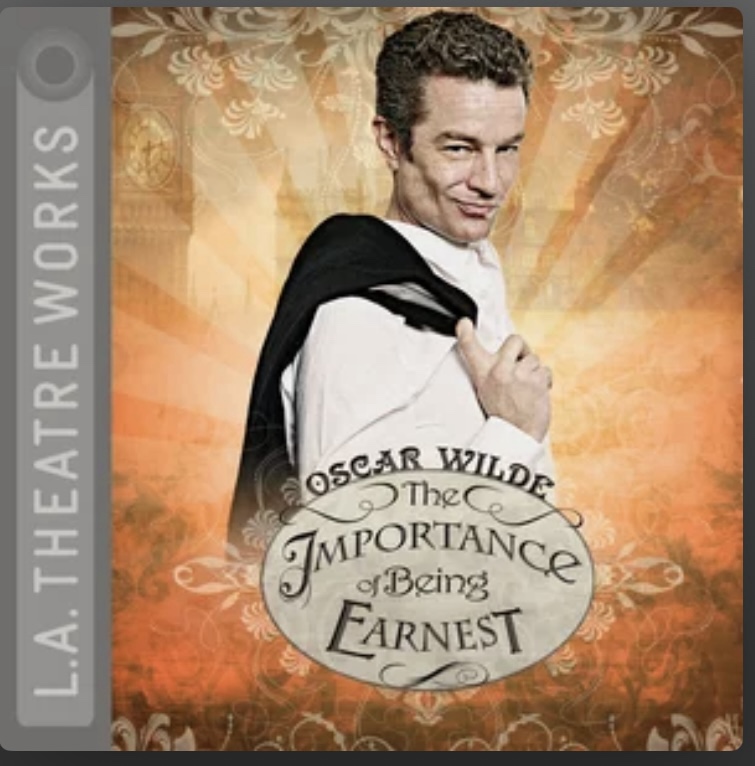
The second overlap was The Importance of Being Earnest by Oscar Wilde. I listened to the L.A. Theatre Works production that I got from my local library.This is such a fun play as Wilde pokes fun at Victorian sensibilities and their obsession with appearance by punning off the word “Earnest”. In the play, two men discover that they are both playing similar games. They have a secret alter ego that they are always in need of rescuing that allows them to escape from the seriousness of their lives. This backfires a bit they fall in love with women who are both smitten with ‘Earnest’, one of the secret alter egos. This play is so silly and so fun, but it also something that my students have really enjoyed digging into. As largely members of Gen Z, they have grown up with the internet and very aware of what its like to live in a time that is utterly obsessed with appearance. For them, it might be how they express themselves on social media, but they still are able to draw parallels with the Wilde text.
It is a delight to be able to discuss reading with people who don’t always identify as readers themselves. Beth and I are obviously into reading for fun, but not everyone is, so their perspectives on classics are informed by other things beyond the written word. And it is always interesting to hear what people have to say about the connections they make between classics and their lives. It is also so important to connect with people and to think about big ideas. When we get caught up in the details of our lives (bills, health, jobs, family, etc.), we don’t always leave ourselves time to think about things and enjoy ourselves. But we should, because our humanity is important.


 2 Women, So Many Books