What I worked on in April while I was listening to audio books

One of the things that I like about audiobooks is that they keep me company while I’m working on things. Sometimes I listen to them while I’m trying to complete a boring task, like cleaning. But other times I listen when I’d like a little something and I’ve already had way too much screen time. One of those things is doing fiber arts.

I’ve been a knitter for about twenty years and a serious crocheter for only about three. In April, I did a little of both!
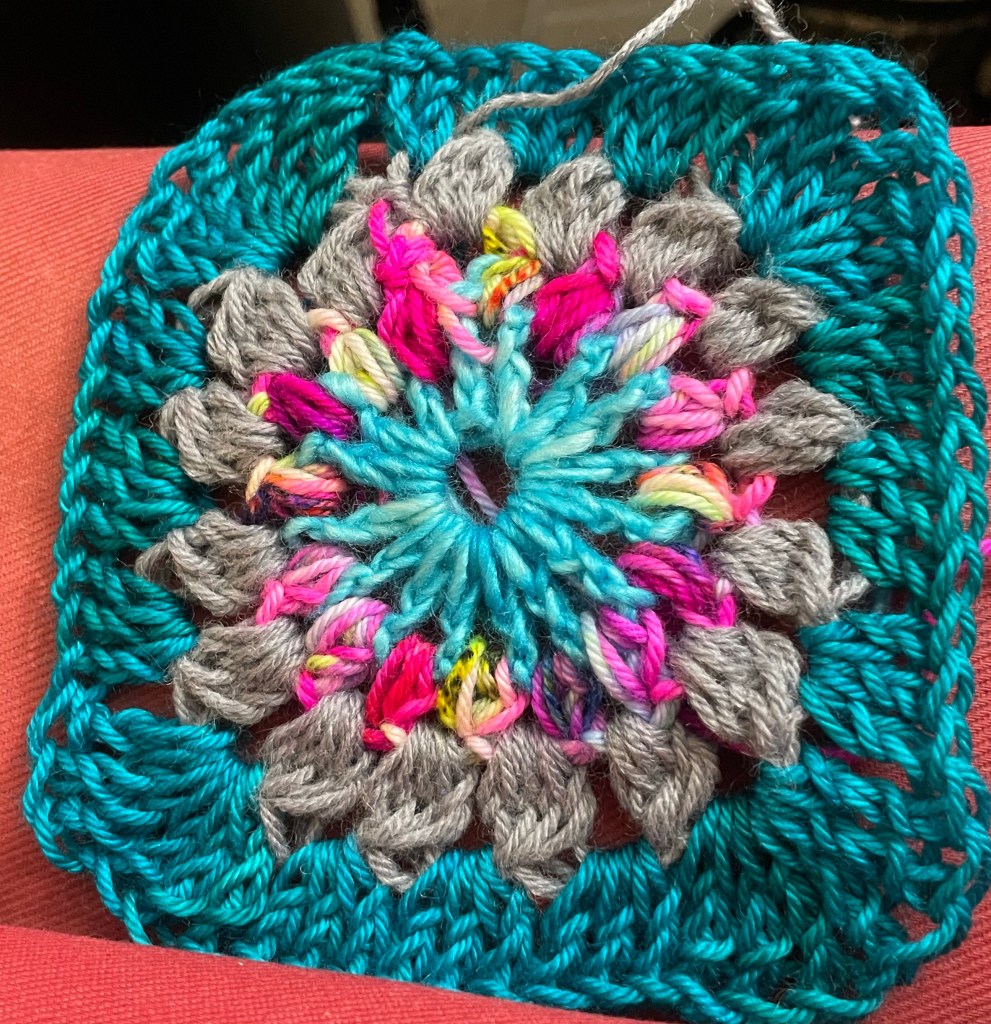
I started a new crochet cardigan. Before last year, I’d only knit two sweaters in my entire knitting career. In the past year and a half, I’ve doubled that number. I’ve also crocheted a sweater now, too. I finished my first cardigan earlier this year and I don’t know why it took me so long to get over my fear of sweaters. The Revival cardigan starts with granny squares before moving building the rest of the hoodie around them. I like doing granny squares because they are portable. And, because if I want to stay up for only a chapter or two, I can do a square and that’ll be it. I have a habit of buying single skeins that catch my eye when I’m at different yarn stores or some kind of event, which means I have a stash of single skeins that don’t necessarily have a project attached. Thankfully, I tend to buy the same few colors over and over again, so something I’ve been trying to do this year is build projects around yarn I already own. The yarn for this is all DK weight and I love them. they’re so fun together.

I also started working on a sample shawl for my local yarn shop. This pattern has a nice little repeat that lends itself to a rhythm that’s made it pretty easy knitting. It’s also made in Dream In Color Smooshy Cashmere, which is, in fact, smooshy and so, so, soft. I’m definitely going to have to make something for myself with it. Cashmere is expensive, but oh, does this. yarn feel nice. I would say it’s definitely worth it.
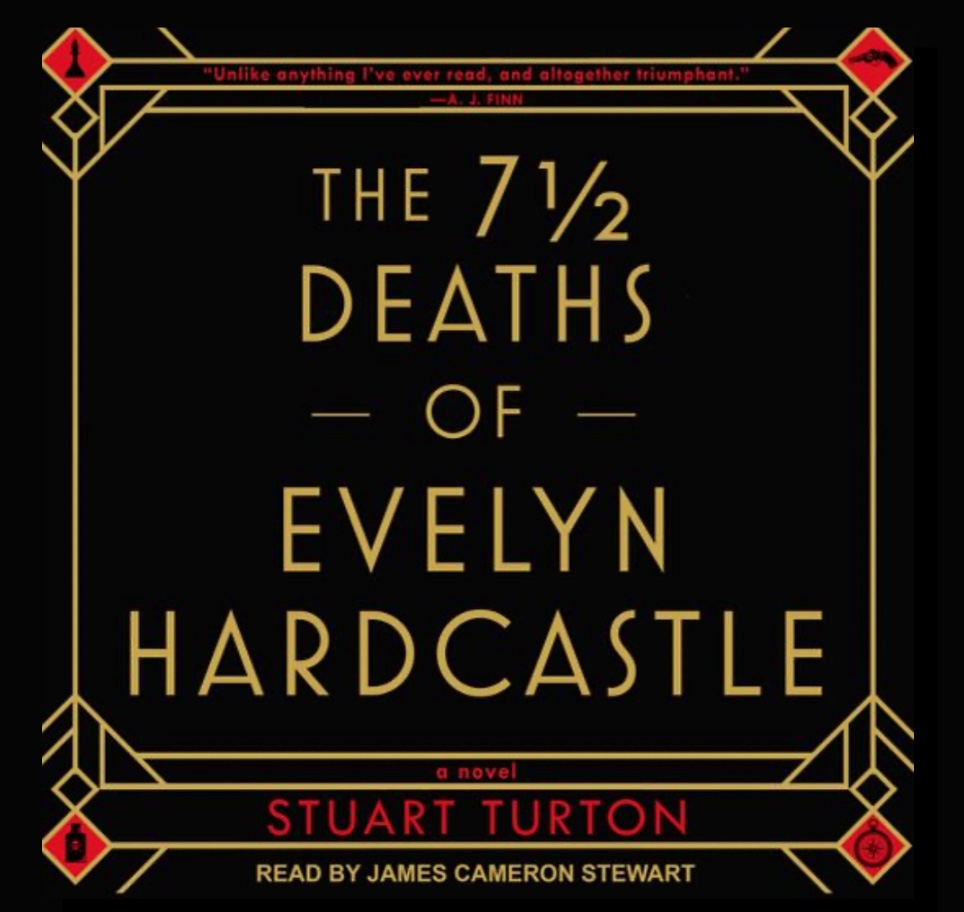
The 7 1/2 Deaths of Evelyn Hardcastle by Stuart Turton (read by James Cameron Stewart)

This was suggested by a friend in my knitting group and dove right in without doing any other investigating. I had the idea that it was like if Groundhog Day was a murder mystery. I should have done a little more looking into the story because it took me longer to get into it than it might otherwise have.

Yes, it is like Groundhog Day and a murder mystery. The main character has 8 opportunities to solve the murder of Evelyn Hardcastle, but the catch is he has to start every day in a new body. Of course, that’s not the only hiccup. There are others trying to solve the mystery, too. And whoever solves it, gets to escape.

I thought the mystery was fun and the setting of it was neat. I like the Jeeves and Wooster useless aristocracy vibe. I would definitely recommend it, but just know you might need to make it past the first day before you get really into the story.

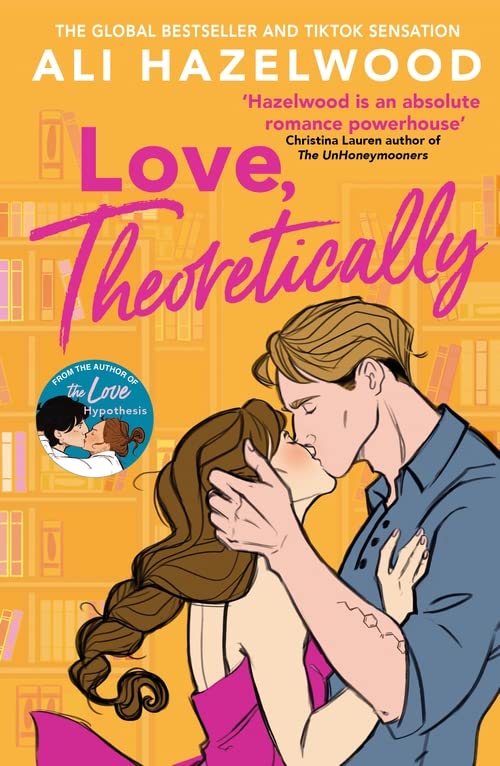
Review: Love, Theoretically and Love on the Brain by Ali Hazelwood

I read these two books back to back and since even though they are not technically related to each other I am assuming they take place in the same universe. I know that Love, Theortically and the first book in Ali Hazelwood’s first STEM Romance The Love Hypothesis because Olive and Adam do make a quick cameo. Love, Theoretically follows Elise, a adjunct professor barely getting by. She is interviewing for a tenure track position at MIT but 1 problem. Jack is a physicist professor on the hiring committee and he hates her. It doesn’t help that he thinks she is dating his younger brother. Adjuct professors do not make a lot of money and to help pay the bills she is paid to fake date men. One being Jack’s brother. Not that Jack knows that. I liked this book. Elsie is a great main character that really grows throughout the book. With the help of Jack, Elise finally starts to decide who she wants to be instead of what everyone else wants her to be. I know a little bit about the academia world thanks to Kate and well it sucks. I really sucks. The haves and have nots is such a stark contrast when it comes to professors and the power that mentors have over their mentees. I definitely had a lot of rage moments.

Love on the Brain is the only book in the STEM romance books that doesn’t take place in a University. Bee is a neuroscientist who works for the NIH but gets a chance to lead a project at NASA. The problem is as it always is, her co-lead Levi hates her from their grad school days. When she gets to NASA, her equipment isn’t there. She doesn’t have access to email or even her office. Politics of course is the blame. NASA doesn’t want to share credit. This puts Bee in a bad position because NIH wants results and ready to pull her at any moment. She has to trust Levi will get NASA on board. Despite their shaky start they work well together. And fall in love and all that jazz. Of the three books so far, this is probably my least favorite. Not that I didn’t enjoy it. I did but I didn’t really connect with Levi and Bee as I have with the other couples. That being said I would probably would reread all three books again because they are the perfect escapism.

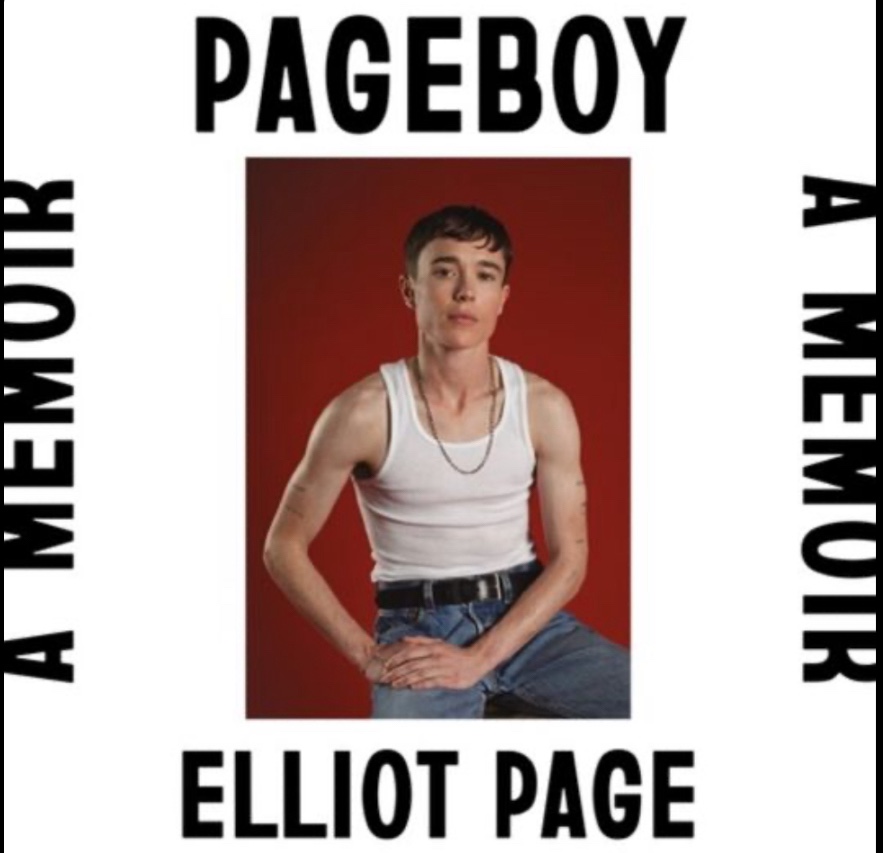
Review: Pageboy by Elliot Page (read by the author)

Elliot Page gave us a gift by sharing this memoir about his life and his struggle to come to terms with who he is. The story chronicles aspects of his career but mostly focuses on his struggles with his own body and his understanding of himself. I’ve seen many of Page’s films and I’ve watched some of Umbrella Academy; I would say I’m a fan, but I don’t really know very much about him apart from knowing that he is trans.

The prose of this memoir was conversational and personal. The story is sometimes painful; make sure you have tissues around if you’re someone who is prone to tears. But it is also uplifting and funny in places. I’m not really a memoir reader, but I’m glad I read this. Seeing someone else be apologetically themselves and hearing about how hard it was to do something that seems so basic is a real balm in the world where we often only see outcomes and never see struggles. When you’re going through something hard or you’re working through something, it can sometimes feel that the work of digging through the muck isn’t worth it. The stories in this memoir are a reminder that it is worth it to understand and make peace with things. I am immensely glad that I read it.

This is another book that I got from my local library.

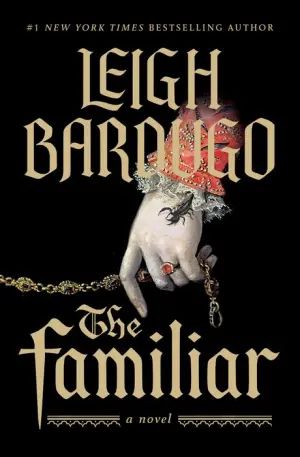
Review: The Familiar by Leigh Bardugo

This was a fun book about court intrigue and magic. Luiza is a maid in a poor aristocratic families home. Her parents are dead and her only family is her Aunt who is the mistress to a very powerful man. Luiza has a secrets. Not only can she preform little miracles she is also Jewish. Both a dangerous things in Catholic Spain. Things start to change for Luiza when her mistress notices her magic and gets involved in a plan to earn the favor of Antonio Perez and the King of Spain himself. She just has to survive. Make sure that her miracles are seen as coming from God and that no one finds out about her Jewish blood. She meets Santangel, an immortal being to her Aunt’s lover who is to teach her to control her powers.

I do love Leigh Bardugo’s writing. Luiza is strong as I believe anyone has to be in her position. Constantly having to make herself smaller to go unnoticed but also never forgetting who she is. Santangel at first is weary as anyone would be who has lived as long as he has as a slave basically. He has to obey but the more he gets to know Luiza more of his humanity starts to return. It has became a worn trope that the protagonist must enter a dangerous contest to that threatens their life but if they win they get a prize but what can you do. Either than that, I really like this book and I’m okay that it’s a standalone novel. Not every story need to be told over multiple books.

Review: Goodbye, Things by Fumio Sasaki, translated by Eriko Sugita and read by Keith Szarabajka

Every now and then, usually in the Spring when I have that itch to Spring clean and try as many new things as I can cram into my waking hours, I want to pick up a book on minimalism. The idea that you should have only the possessions you need, or at least the fewest possessions you can get by with, is nothing new. And even though I don’t really want to live a minimalist life, I am always a little curious. Fumio Sasaki has so few possessions, it takes him thirty minutes to move apartments. I look around my apartment and get an overwhelming feeling of not even knowing where to start if I wanted to move. So, as appealing as it sounds to be able to pick up and go at the drop of a hat instead of spending a month to pack up my place, what I realized when I was reading this wasn’t that I want to be able just abandon all my things and live with a toothbrush, a bowl, a cup, a spoon, my cat, his bowls, and his litter box (until I teach him to use a toilet, of course). What I want is to have more emotional space in my life. I would like some room, metaphorical but also physical, to grow.

In the end, this is what I take from minimalism. The Marie Kondo idea that if it doesn’t spark joy, I don’t need to keep it. I don’t need to keep something I am not using and don’t love, even if it was a gift. I don’t need to keep a piece of clothing, even if it will be cute once I lose another ten pounds. I don’t need to keep yarn I no longer love. And, gasp, I don’t need to keep books I know I’ll never (re-)read. That, in itself, is a daunting project. But, it is also exciting. I could have shelf space. Shelf space for new books that I am excited to read. Or, shelf space for something else. Who knows what’s out there?

This book (essay?) was short and it was okay. It wasn’t overly groundbreaking. The writing was economical and there were no turns of phrase that caught me and had me thinking days later. I have been thinking about the concepts of minimalism, but there’s a good chance I would have been anyway since I made a massive Spring cleaning list. So, in the end, this book gets a 6/10. I wouldn’t necessarily recommend it, but I also wouldn’t not recommend it.