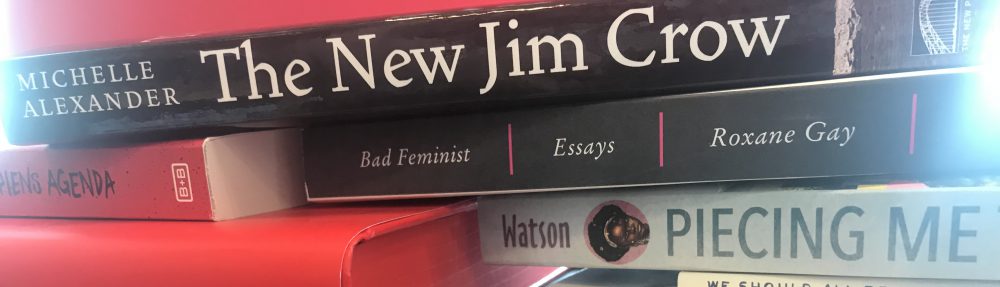

This year has been something, hasn’t it? I have done so little fun reading (hence the lack of posting) but I did read enough to do a Top 5!
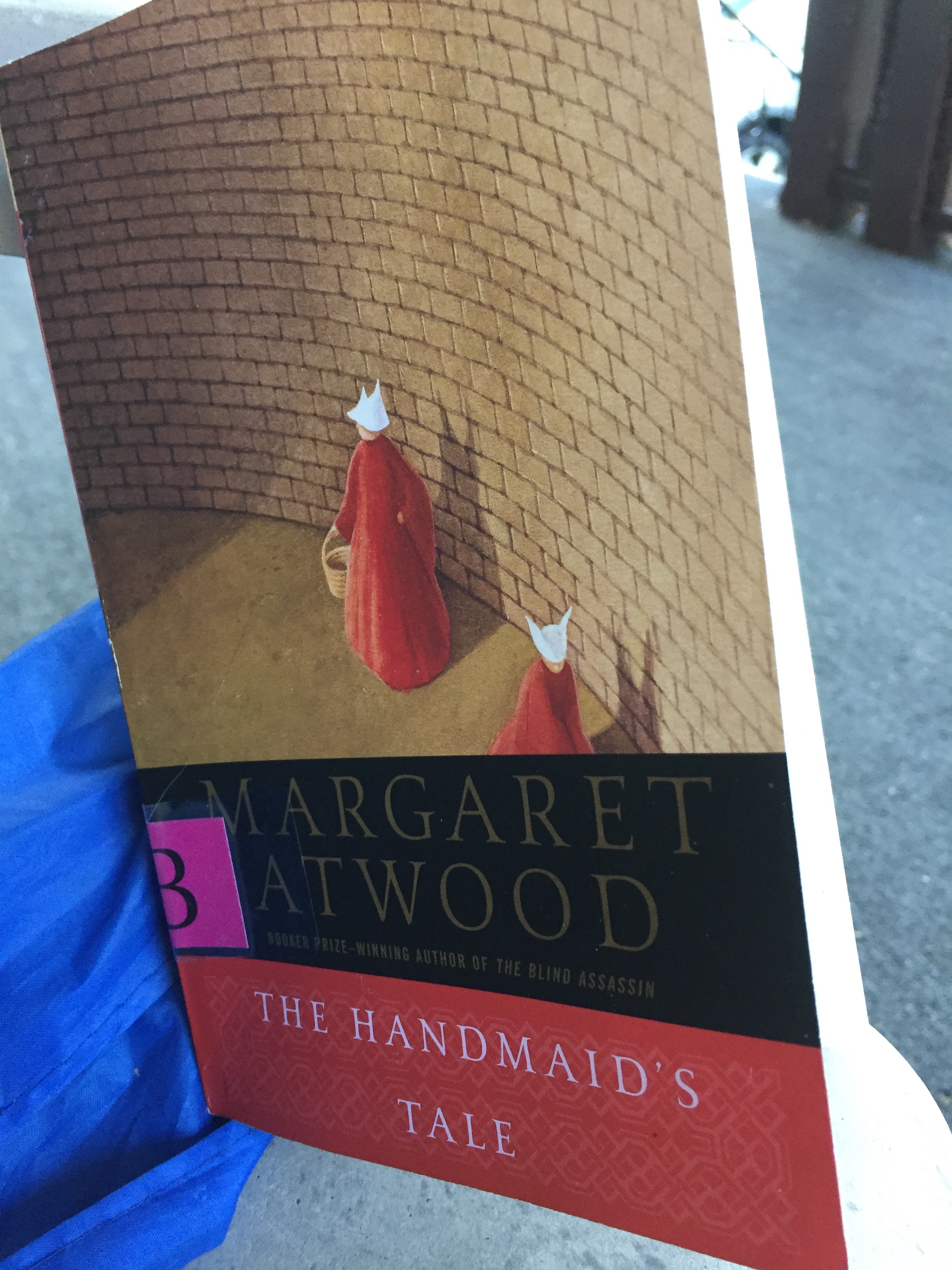
5. The Handmaid’s Tale by Margaret Atwood
I’m pretty sure that I read this in high school but I couldn’t remember how it ended, so I decided to re-read it. I also snap chatted my rage; the narrative inspired a lot of it.

Atwood gets the paranoia and tension right. She also nails the guilt, I think, of feeling like you didn’t do enough in hindsight to stop bad things from happening.
4. Wool by Hugh Howey
This is a claustrophobic dystopian tale. In a future in which all that is left of humanity lives in an underground bunker, exile is a death sentence and is used as punishment. Exiled folks are put into a suit and given steel wool to clean the outside censors so that those still inside can see a constant live image of the bleak landscape. Many death row inmates swear that they will not clean the censors when they leave and yet, they all do. This tale surprised me with its mystery, the humanity of its characters and ultimately with the horror of how the world came to be like this. It was great, even when it hit a little too close to home.
3. Born a Crime: Stories from a South African Childhood by Trevor Noah
I have a huge crush on Trevor Noah, so you know that I had to read this. Well, listen to it. Noah’s stories are heartwarming and heartbreaking and I loved listening to this audio book (read by the author.) I didn’t know a lot about Noah, outside of what I’ve gleaned from seeing some of his stand up and watching him on the Daily Show so I didn’t know where the story was going and was pleasantly, sobbingly, surprised by the end. If you are at all interested in reading a personal narrative from Apartheid South Africa and the following transition away from apartheid, this isn’t a bad place to start.
2. Whipping Girl: A Transsexual woman on sexism and the scapegoating of femininity by Julia Serano
This collections of essays is sharp and insightful. Serano is a trans woman and a biologist and she brings both of these things to a discussion of femininity and how it is viewed by society. She builds on that and focuses is on how views of femininity shape and have an effect on the public’s opinion of trans women. As a biologist, she addresses many common misconceptions of transness. This collection was great and I am so glad I read it.
1. Between the World and Me by Ta-Nehisi Coates
I got this book from the library as an audiobook but then I thought I wanted to actually read it and not have it read to me, so I got it as an ebook. Then, it won the National Book Award and when I didn’t finish it during my loan period from the library, I got put on a stupidly long waiting list. Boring story short, I finally just bought it and two years later I have finished it. I’m glad this book had and still has a long wait list at my library. It is one of the most important things I have read in a long time. I am a numbers person, so I find statistics and well done analyses compelling, but this book really filled in the gaps on race in America that you can’t get from statistics. I know Coates has gotten a lot of shit lately but I’m glad his work is out there. If you’ve not read it, I really recommend it.
So, here’s to the end of this year and it a Happy New Year full of many books and book reviews!
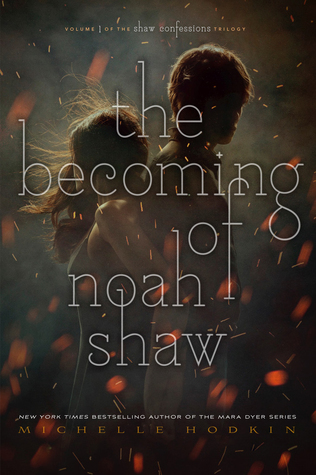
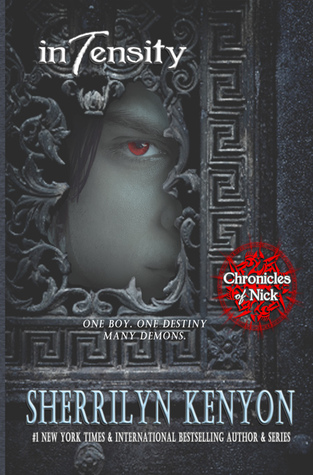 I have missed my sassy Cajun, Nick and his friends. Eight books in and boy that boy has been through a lot. This is the last book in the Chronicles of Nick but not really as it’s lead in to a spin-off series, I guess? I’m not really sure how I feel about it. First, the book was fun and zippy. Just like the other books in the series, it’s no-stop from the beginning to end. It’s fast paced that I had to slow myself down or I would have read it all in one sitting. Nick’s son, Cyprian Malachai has come back from the future to make sure that Nick stays on the path to destroy the world. In doing so, he frames Nick for the murders of his former friends that kicked off the whole series. That plot line is actually a nonentity in the book itself as it’s quickly resolved but it does lead to Nick start to understand what is really going and how to stop it. The one thing that has separated Nick from the all the Malachai’s before him is that he was loved by his mother and he has the loyalty of his friends. Cyprian makes it clear that one of the reasons he hates Nick is that he is well liked while Cyprian is not. This seems kinda weak to me but who am I to judge. I’m sure we will get more in the Shadows of Fire series that will feature both Cyprian and Nick. So how does Nick defeat his foe. Obviously major spoilers so if you want to read more, check under the cut.

 This book is surprisingly dark despite having a protagonist that is such a pure soul. I shouldn’t have been surprised since Laini Taylor’s previous series, Daughter of Smoke and Bone wasn’t filled sunshine and rainbows either but the when the backstory of Weep is revealed and you see the toll it has on the city is palpable. I’m not sure where to begin with this book. I feel that anything I say will not do it justice and I also don’t want give anything away either. Lazlo Strange is an orphan and a dreamer. He was raised by Monks and then reared by Librarians. He is fascinated by stories and in particularly the story of the lost city of Weep. A city that had so many treasures but 200 years ago was lost to the world and forgotten. Even it’s name has been lost. It’s now just a myth and a story to everyone but Lazlo. It’s his dream to find it. So he takes every opportunity to find out more about the city. He scours the library books for any scrap of information about Weep. One day out of nowhere, warriors from Weep lead by the Godslayer, show up in his town and he is appeals to them to take him with them. They need help and even though he doesn’t know how he can help he knows he just has to go. In Weep, Sarai is a Godspawn who lives in the Citadel above Weep without the City knowing. Fifteen years ago, the Godslayer and the people of Weep killed the Gods and Goddesses that had enslaved them, not knowing that five children still lived. Each of her siblings have special powers but only Sarai, the Muse of Nightmares, can truly see the City. Every night she releases her moths and visits the people of Weep’s dreams. Sarai may have skin the color blue and see people’s dreams but she is still a teenage girl. She is still has the same hopes and dreams as others her age but she also lives in fear of the people down below. She knows what they did to the other Gods and Goddesses and what they did to the other children who were not saved. She fears that if they ever found out about her and her siblings, that they too will kill them too. Things really start to pick up when Lazlo, warriors and the other foreigners come to Weeo. We see the true hurt and pain of both the people of Weep and the Godspawn. They both are justified in their anger and hurt. They both have reasons to fear the other. When it comes to fear, rational thought is not always easy as any of us can attest too. Lazlo is different though. He is truly a dreamer. He helps people because he sees they need help. He sees possibilities is things that most of us would overlook. He is Strange. When Sarai first visits his dreams she is taken in at how vivid it is but also that he can see her. She is not just a spectator or a manipulator, she is a participant in her dreams. An invited guest. They soon grow a connection and of course fall in love even though they had never actually met. Despite the uplifting and positive protagonists that lead this story the darkness is always seething around the corner of every page. You really can’t get around the sins of both the people of Weep and the Gods themselves and that’s the genius of the story. The beauty of it. It’s like an old Grimm’s fairy tale that underneath the glow and polish there is an undercurrent of darkness. A modern day fairy tale where the true villains are already dead but there are no one is truly innocent. Except for maybe Lazlo but even he will probably not stay innocent for long.
 2 Women, So Many Books