

This year has been something, hasn’t it? I have done so little fun reading (hence the lack of posting) but I did read enough to do a Top 5!
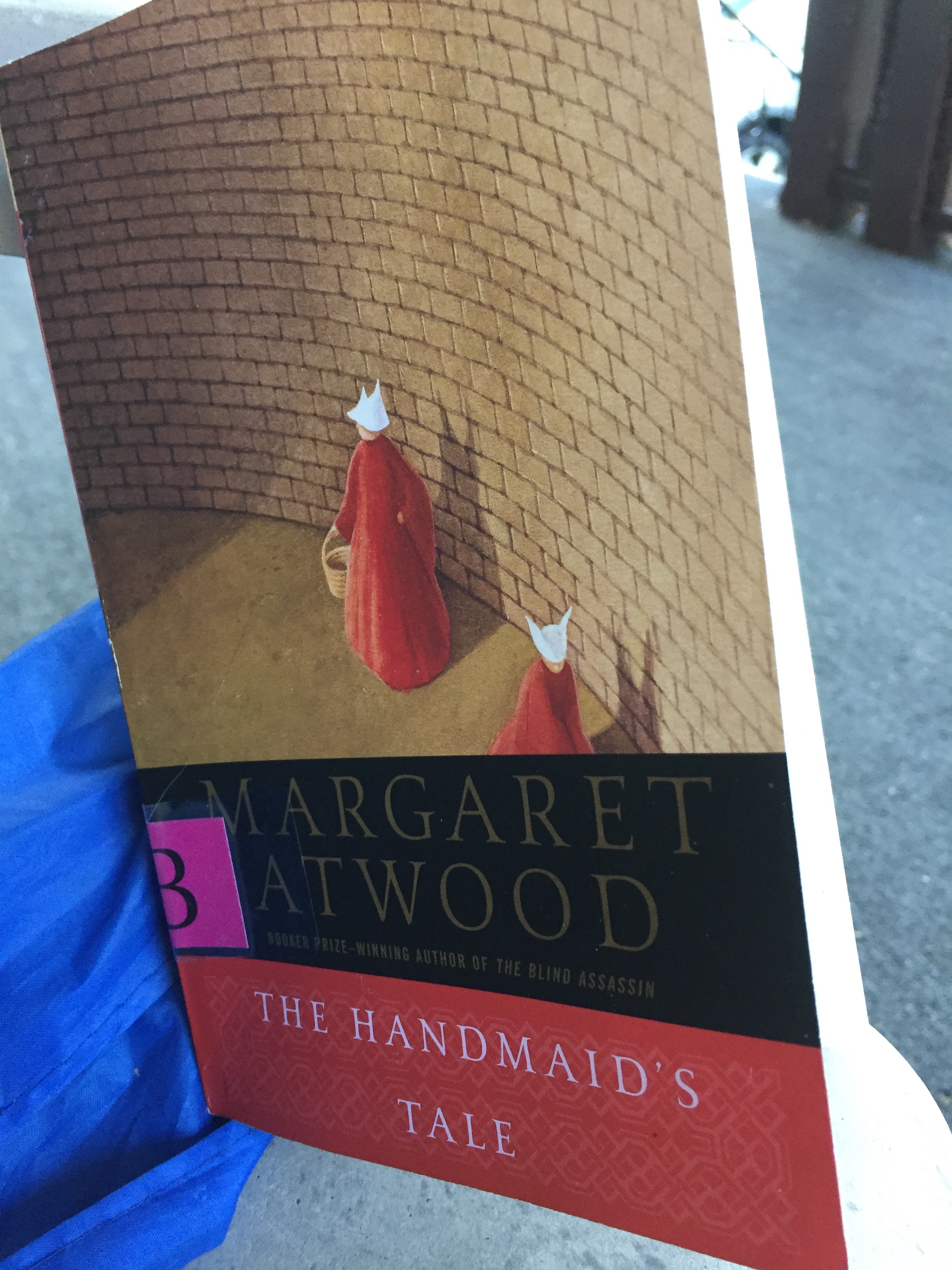
5. The Handmaid’s Tale by Margaret Atwood
I’m pretty sure that I read this in high school but I couldn’t remember how it ended, so I decided to re-read it. I also snap chatted my rage; the narrative inspired a lot of it.

Atwood gets the paranoia and tension right. She also nails the guilt, I think, of feeling like you didn’t do enough in hindsight to stop bad things from happening.
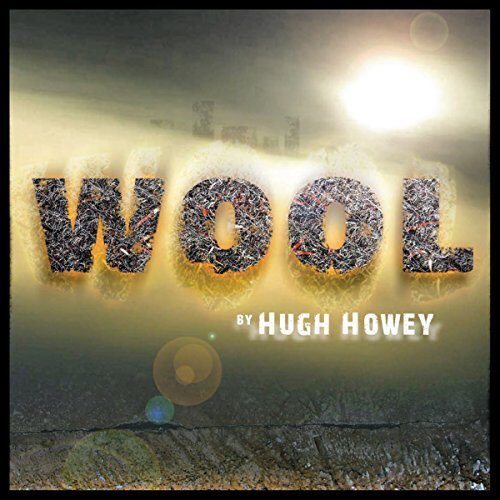
4. Wool by Hugh Howey
This is a claustrophobic dystopian tale. In a future in which all that is left of humanity lives in an underground bunker, exile is a death sentence and is used as punishment. Exiled folks are put into a suit and given steel wool to clean the outside censors so that those still inside can see a constant live image of the bleak landscape. Many death row inmates swear that they will not clean the censors when they leave and yet, they all do. This tale surprised me with its mystery, the humanity of its characters and ultimately with the horror of how the world came to be like this. It was great, even when it hit a little too close to home.
3. Born a Crime: Stories from a South African Childhood by Trevor Noah
I have a huge crush on Trevor Noah, so you know that I had to read this. Well, listen to it. Noah’s stories are heartwarming and heartbreaking and I loved listening to this audio book (read by the author.) I didn’t know a lot about Noah, outside of what I’ve gleaned from seeing some of his stand up and watching him on the Daily Show so I didn’t know where the story was going and was pleasantly, sobbingly, surprised by the end. If you are at all interested in reading a personal narrative from Apartheid South Africa and the following transition away from apartheid, this isn’t a bad place to start.
2. Whipping Girl: A Transsexual woman on sexism and the scapegoating of femininity by Julia Serano
This collections of essays is sharp and insightful. Serano is a trans woman and a biologist and she brings both of these things to a discussion of femininity and how it is viewed by society. She builds on that and focuses is on how views of femininity shape and have an effect on the public’s opinion of trans women. As a biologist, she addresses many common misconceptions of transness. This collection was great and I am so glad I read it.
1. Between the World and Me by Ta-Nehisi Coates
I got this book from the library as an audiobook but then I thought I wanted to actually read it and not have it read to me, so I got it as an ebook. Then, it won the National Book Award and when I didn’t finish it during my loan period from the library, I got put on a stupidly long waiting list. Boring story short, I finally just bought it and two years later I have finished it. I’m glad this book had and still has a long wait list at my library. It is one of the most important things I have read in a long time. I am a numbers person, so I find statistics and well done analyses compelling, but this book really filled in the gaps on race in America that you can’t get from statistics. I know Coates has gotten a lot of shit lately but I’m glad his work is out there. If you’ve not read it, I really recommend it.
So, here’s to the end of this year and it a Happy New Year full of many books and book reviews!



 2 Women, So Many Books